
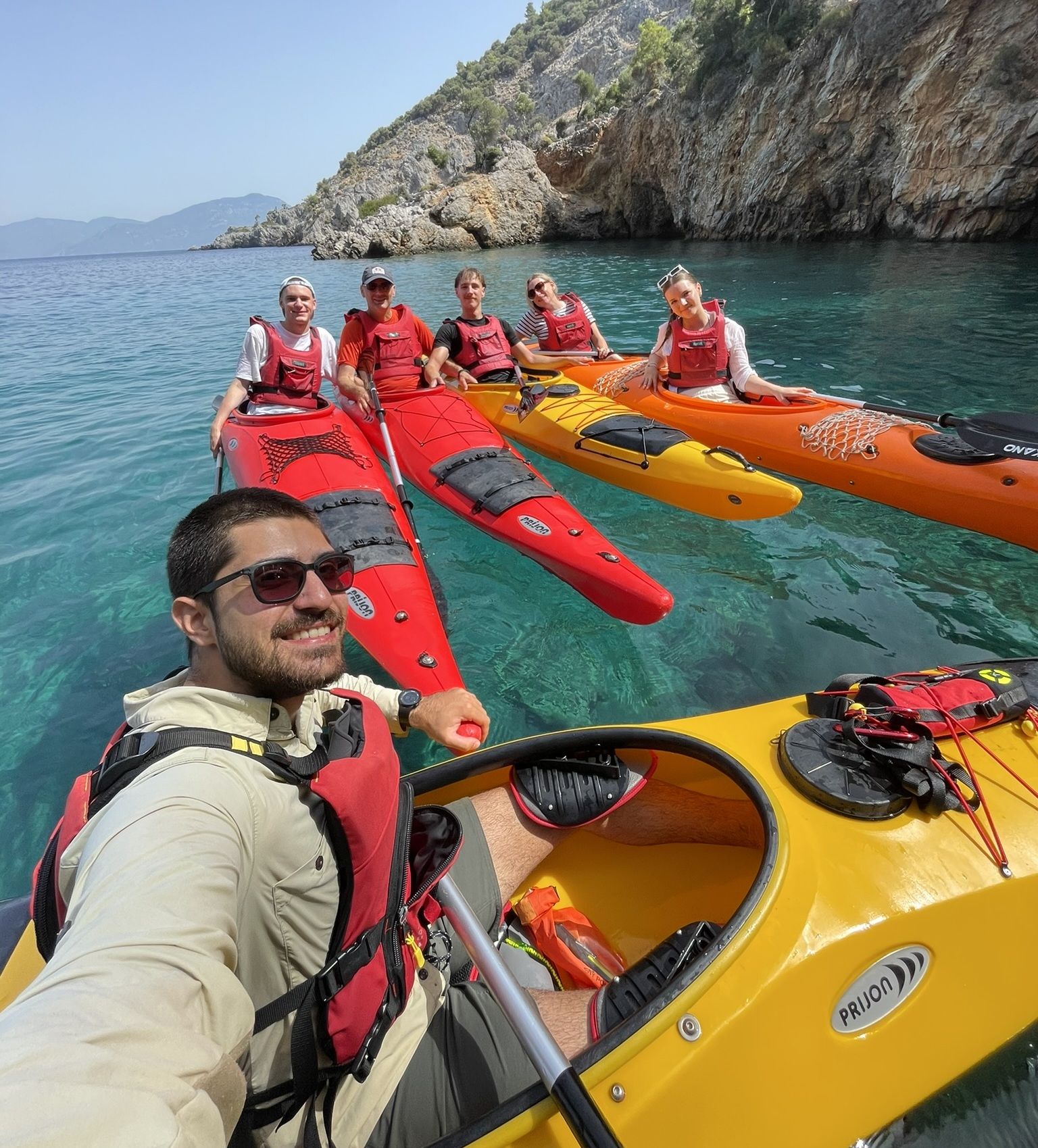
A favorite sport in recent years for nature lovers, Sea Kayaking is more than just a water sport; it is a gateway to hidden paradises inaccessible by land. Known globally as "Sea Kayaking," this discipline is a nature-based sport focused on paddling, endurance, and exploration. So, what exactly is sea kayaking and why is it so special? Let’s dive into the details of this unique experience.
Design and Performance: A Masterpiece of Engineering
At first glance, sea kayaks resemble traditional Inuit kayaks. However, modern sea kayaks are designed to maintain balance even in the harshest waves and allow you to cover long distances without fatigue.
Cockpit Structure: At the center of the kayak is a cockpit where the paddler sits with legs extended forward. This structure allows you to become one with the kayak.
Long Journeys Without Getting Wet: A special spray skirt is worn to seal the cockpit and prevent water from entering. This allows you to travel for miles while staying dry, unaffected by water temperature or waves.
Durable Materials: Depending on the needs, they are produced using composites, fiberglass, plastic, wood, or special fabrics.
Travel on the Sea: Waterproof hatches allow you to carry camping gear and food. This effectively turns the sea kayak into your "caravan on the water."
Which Muscles Do You Use in Sea Kayaking?
Sea kayaking is a full-body workout that increases physical conditioning. When paddling with the correct technique, the following areas are actively engaged:
Shoulders and Back: The center of pulling power.
Arms and Forearms: For paddle control and steering.
Core: The power center that remains constantly active to maintain the kayak's balance.
Safety in Sea Kayaking: 5 Essential Rules
Safety is an inseparable part of this sport. Whether on a professional tour or an individual trip, you must follow these rules:
Life Jacket Use: Even if you are a strong swimmer, always wear a standard-compliant life jacket.
Weather and Wind Check: Always check the wind direction and intensity before heading out. Weather conditions can change rapidly in open waters.
Equipment Check: Check the hull for cracks, ensure the paddles are sturdy, and verify the seals on the storage hatches before every departure.
Sun Protection and Hydration: Reflection off the water intensifies the sun's effects. Hats, sunscreen, and carrying enough water are vital.
Group Discipline and Route Knowledge: Especially in areas with strong currents, it is essential to stick to the route determined by the guide and stay with the group.
Turkey’s Most Special Sea Kayak Routes
Turkey is a paradise for sea kayak enthusiasts. The coasts of Muğla and Antalya host some of the best routes in the world:
Muğla - Dalyan & Kargıcak Bay: The canals passing through the reeds to Iztuzu Beach, combined with the crystal waters of Kargıcak Bay, offer the ideal route for both beginners and long exploration tours.
Muğla - Fethiye (Gemiler & Aquarium Bay): Right next to Ölüdeniz, this is a track where you can glide over ancient ruins, explore sea caves, and experience the serenity of untouched bays where pine forests meet the sea.
Antalya - Kaş (Kekova): One of the best paddling tracks in the world, where you can glide over ancient Lycian ruins and the Sunken City in areas inaccessible to motorized boats.
If you want to accompany the rhythm of nature with your paddles and discover the blues, we are here with our Turkish Canoe Federation Leadership certified guides and professional equipment.
Click here to examine Sea Kayak details and make a reservation!
